

Why Instant Communication Remains Critical in Education
When a safeguarding incident occurs, a member of staff shouldn’t have to search for a phone, unlock it, find the right contact and wait for it to ring.
They need to communicate instantly.
In schools, colleges and universities, communication is often the first line of defence when responding to incidents, protecting staff and students, and ensuring the smooth operation of a busy campus. Yet many educational establishments still rely heavily on mobile phones, which can introduce delays at the very moments when speed and clarity matter most.
As Apex Radio Systems exhibits at this year’s Education Business Conference, we’re speaking to education leaders, site managers and safeguarding teams about a challenge that continues to grow in importance: how can educational environments improve communication, safety and response times without adding complexity?
The Communication Challenge Facing Schools
Education environments have become increasingly complex.
Many schools now operate across multiple buildings, campuses and outdoor spaces, with staff responsible for safeguarding, visitor management, facilities, maintenance, student welfare, security and emergency response.
At the same time, expectations around safeguarding, health and safety, and incident management continue to rise.
Whether it’s a pupil welfare concern, a medical emergency, a site security issue or a facilities fault, communication delays can impact outcomes.
Staff need the ability to instantly connect with colleagues, leadership teams, first aiders, caretakers or security personnel without relying on mobile coverage, voicemail or text messages.
Why Two-Way Radios Continue to Deliver Value
While smartphones have transformed communication in many areas of life, they are not always the most effective tool for operational communication within schools.
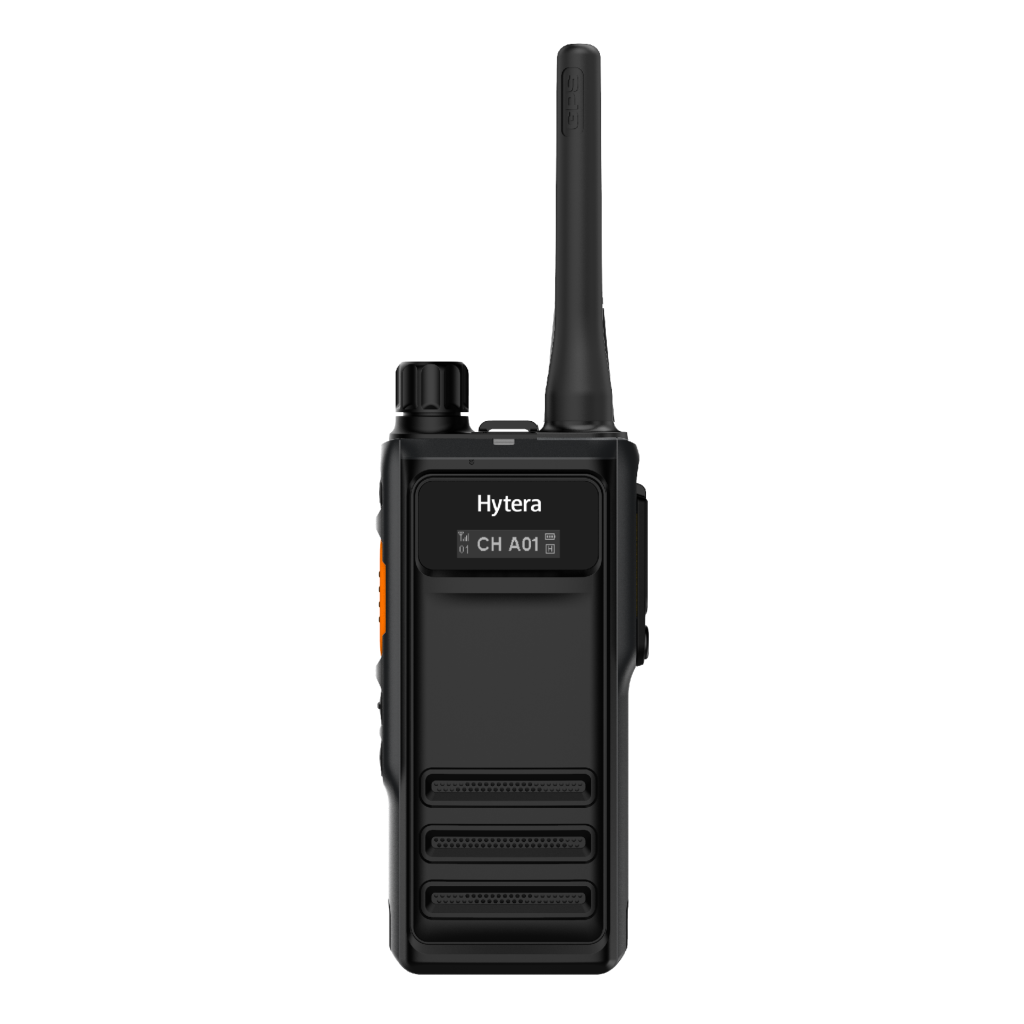
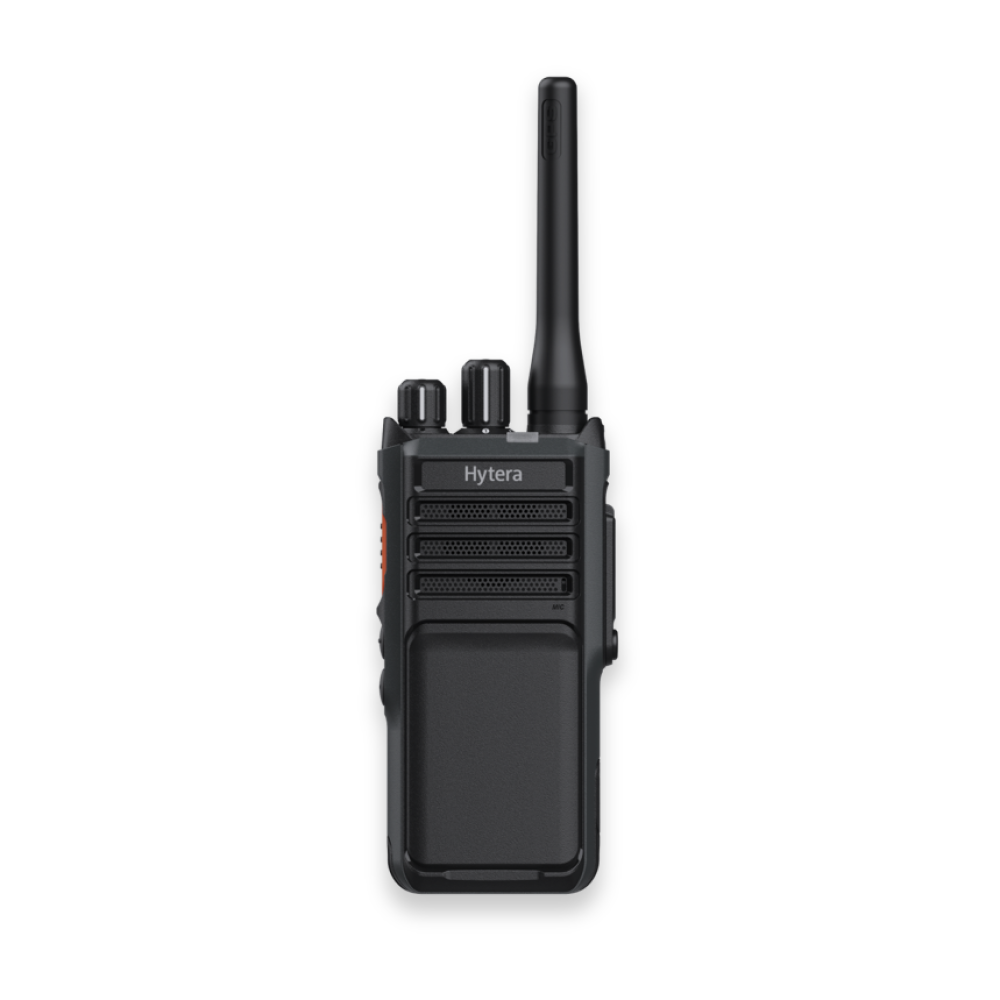
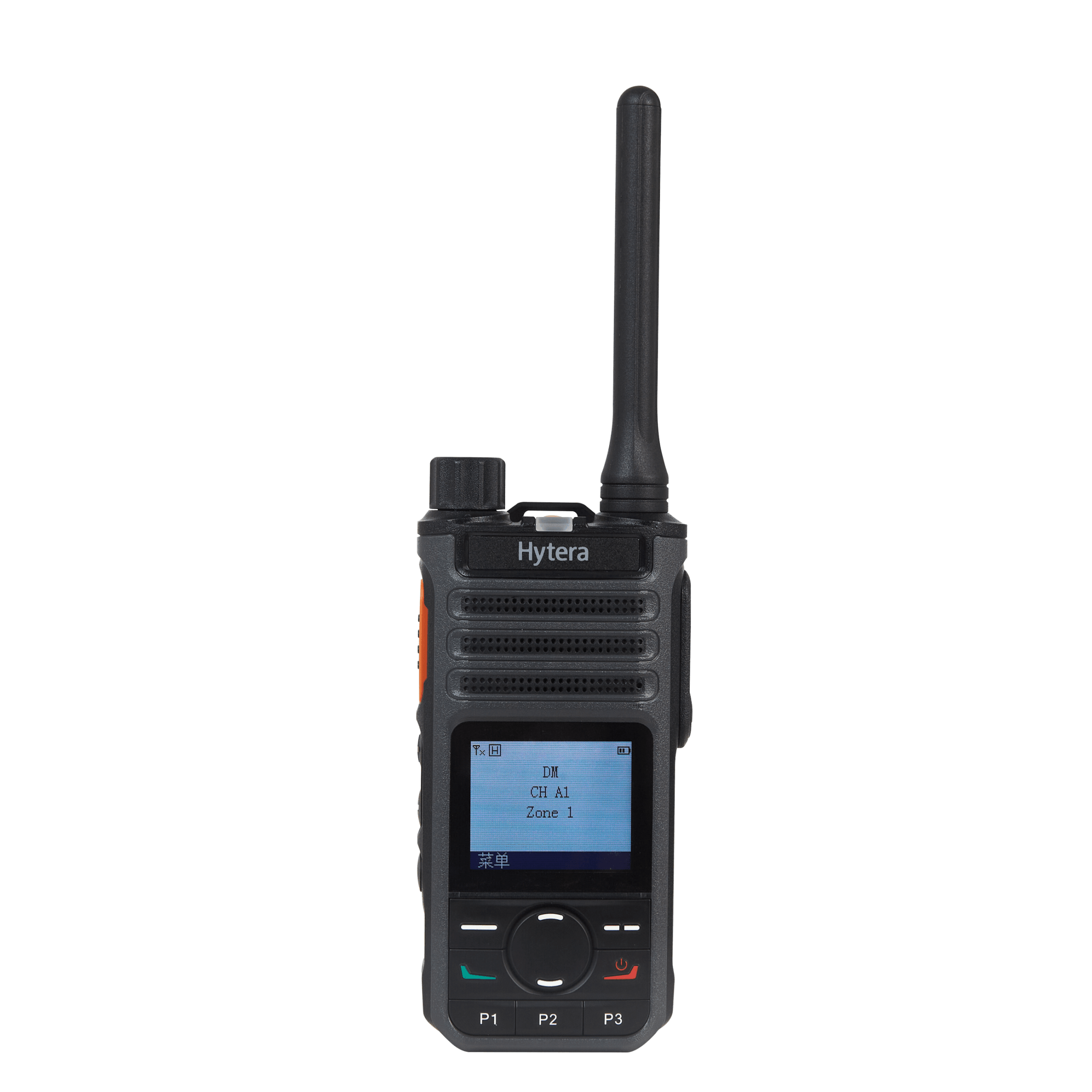
Our two-way radios provide immediate push-to-talk communication, allowing staff to speak with individuals or groups at the touch of a button.
For education settings, this offers several advantages:
-
Instant communication without dialling numbers
-
Reliable coverage across large sites and buildings
-
Group communication for coordinated responses
-
Improved response times during incidents
-
Reduced reliance on personal mobile devices
-
Enhanced safeguarding and staff safety
The ability to communicate instantly can often make the difference between a minor disruption and a significant incident.
Not to mention our devices also have text message capabilities, as well as voice alerts as another means to communicate.
Supporting Safeguarding and Student Welfare
Safeguarding remains one of the most important responsibilities within any educational establishment.
When concerns arise, staff need confidence that they can quickly reach the appropriate colleague and share information discreetly and efficiently.
Reliable communication systems help safeguarding teams coordinate responses, locate staff, request assistance and manage incidents in real time.
By enabling immediate communication, schools can strengthen safeguarding procedures while giving staff greater confidence that support is always available when needed.
Keeping Campuses Safe and Operational
Beyond safeguarding, communication plays a critical role in the day-to-day management of educational facilities.
Site teams use radios to coordinate maintenance tasks, manage contractors and respond to building issues. Reception and administration teams can quickly contact colleagues regarding visitors or deliveries. Sports departments, event teams and estates managers can remain connected across large areas without relying on mobile networks.
The result is a more connected, efficient and responsive campus environment.
Beyond Voice Communication
Many educational establishments are also exploring technologies that complement traditional radio communications.
Body-worn cameras are increasingly being used to support staff safety, provide accountability and capture evidence during incidents. Modern communication ecosystems can also incorporate LTE-based communications, lone worker protection and location-based services to further enhance safety and operational awareness.
By combining voice, video and connected technologies, schools can create a more resilient approach to communication and incident management.
Meet Apex Radio Systems at the Education Business Conference
At this year’s Education Business Conference, the Apex Radio Systems team is showcasing the latest Hytera two-way radio solutions alongside body-worn camera technology designed to help educational establishments improve communication, strengthen safeguarding and support safer learning environments.
Whether you’re reviewing your current communication systems, planning a campus-wide upgrade or looking for ways to enhance staff safety, we’d be delighted to discuss your requirements.
Visit our team at the Education Business Conference to discover how reliable communication technology can help create safer, more connected educational environments.
Speak to Apex Radio Systems
For more information about two-way radios, body-worn cameras and communication solutions for education, contact our team today.
Because when every second matters, communication matters.
Learn more about the Hytera product offerings for Education: